Sale!

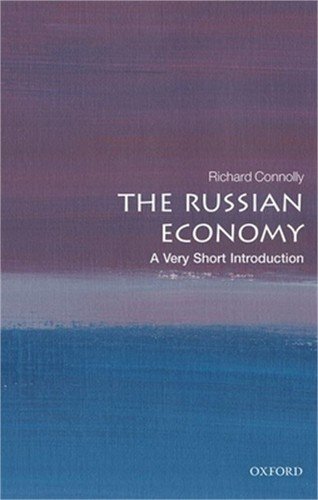
The Russian Economy: A Very Short Introduction (Paperback or Softback)

Original price was: $15.77.Current price is: $13.74.

Item specifics

Condition
Brand New: A new, unread, unused book in perfect condition with no missing or damaged pages. See the …

EAN
9780198848905
ISBN
0198848900
Manufacturer
Oxford University Press, USA
Brand
Oxford University Press, USA
Binding
TP
Book Title
Russian Economy : a Very Short Introduction
Book Series
Very Short Introductions Ser.
Publisher
Oxford University Press, Incorporated
Item Length
6.9 in
Publication Year
2020
Format
Trade Paperback
Language
English
Illustrator
Yes
Item Height
0.3 in
Author
Richard Connolly
Genre
Business & Economics
Topic
Economic History, Economics / General
Item Weight
4.2 Oz
Item Width
4.4 in
Number of Pages
160 Pages

The Russian Economy: A Very Short Introduction (Paperback or Softback)

About this product

Product Identifiers

Publisher
Oxford University Press, Incorporated
ISBN-10
0198848900
ISBN-13
9780198848905
eBay Product ID (ePID)
17038267147

Product Key Features

Book Title
Russian Economy : a Very Short Introduction
Number of Pages
160 Pages
Language
English
Publication Year
2020
Topic
Economic History, Economics / General
Illustrator
Yes
Genre
Business & Economics
Author
Richard Connolly
Book Series
Very Short Introductions Ser.
Format
Trade Paperback

Dimensions

Item Height
0.3 in
Item Weight
4.2 Oz
Item Length
6.9 in
Item Width
4.4 in

Additional Product Features

Intended Audience
Trade
LCCN
2020-936004
Reviews
“Presents an overview of the Russian economy over the last 500 years, chronicling its developments and characteristics from the first emergence of the Russian empire to the twenty-first-century regime of Vladimir Putin.” — Journal of Economic Literature (Volume 59, no. 1), Presents an overview of the Russian economy over the last 500 years, chronicling its developments and characteristics from the first emergence of the Russian empire to the twenty-first-century regime of Vladimir Putin.
TitleLeading
The
Table Of Content
AcknowledgmentsList of illustrations1. Factors shaping Russian economic development2. The Soviet planned economy3. The creation of a market4. The reassertion of the state5. From modernisation to isolation6. Russia in the global economy7. Whither the Russian economy?ReferencesFurther readingIndex
Synopsis
Russia today is as prominent in international affairs as it was at the height of the Cold War. Yet the role that the economy plays in supporting Russia’s position as a “great power” on the international stage is poorly understood. For many, Russia’s political influence far exceeds its weight in the global economy. However, Russia is one of the largest economies in the world; it is not only one of the world’s most important exporters of oil and gas, but also of other natural resources, such as diamonds and gold. Its status as one of the largest wheat and grain exporters shapes commodity prices across the globe, while Russia’s enormous arms industry, second only to the United States, provides it with the means to pursue an increasingly assertive foreign policy. All this means that Russia’s economy is crucial in serving the country’s political objectives, both within Russia and across the world. Russia today has a distinctly political type of economy that is neither the planned economy of the Soviet era, nor a market-based economy of the Euro-Atlantic variety. Instead, its economic system is characterised by a unique blend of state and market; control and freedom; and natural resources alongside human ingenuity. The Russian Economy: A Very Short Introduction introduces readers to the dimensions of the Russian economy that are often ignored by the media and public figures, or exaggerated and misunderstood. In doing so, it shows how Russia’s economy is one of global significance, and helps explain why many of Russia’s enduring features, such as the heavy hand of the state and the emphasis on military-industrial production, have persisted despite the immense changes that took place after the disintegration of the Soviet Union in 1991.ABOUT THE SERIES: The Very Short Introductions series from Oxford University Press contains hundreds of titles in almost every subject area. These pocket-sized books are the perfect way to get ahead in a new subject quickly. Our expert authors combine facts, analysis, perspective, new ideas, and enthusiasm to make interesting and challenging topics highly readable., For many, Russia’s political influence far exceeds its weight in the global economy. Richard Connolly demonstrates that in fact Russia’s economy affords it global power, and explores how its socialist past has shaped its economic system into a unique blend of state and market., Russia today is as prominent in international affairs as it was at the height of the Cold War. Yet the role that the economy plays in supporting Russia’s position as a ‘great power’ on the international stage is poorly understood. For many, Russia’s political influence far exceeds its weight in the global economy. However, Russia is one of the largest economies in the world; it is not only one of the world’s most important exporters of oil and gas, but also of other natural resources, such as diamonds and gold. Its status as one of the largest wheat and grain exporters shapes commodity prices across the globe, while Russia’s enormous arms industry, second only to the United States, provides it with the means to pursue an increasingly assertive foreign policy. All this means that Russia’s economy is crucial in serving the country’s political objectives, both within Russia and across the world. Russia today has a distinctly political type of economy that is neither the planned economy of the Soviet era, nor a market-based economy of the Euro-Atlantic variety. Instead, its economic system is characterised by a unique blend of state and market; control and freedom; and natural resources alongside human ingenuity. The Russian Economy: A Very Short Introduction introduces readers to the dimensions of the Russian economy that are often ignored by the media and public figures, or exaggerated and misunderstood. In doing so, it shows how Russia’s economy is one of global significance, and helps explain why many of Russia’s enduring features, such as the heavy hand of the state and the emphasis on military-industrial production, have persisted despite the immense changes that took place after the disintegration of the Soviet Union in 1991. ABOUT THE SERIES: The Very Short Introductions series from Oxford University Press contains hundreds of titles in almost every subject area. These pocket-sized books are the perfect way to get ahead in a new subject quickly. Our expert authors combine facts, analysis, perspective, new ideas, and enthusiasm to make interesting and challenging topics highly readable., Russia today is as prominent in international affairs as it was at the height of the Cold War. Yet the role that the economy plays in supporting Russia’s position as a ‘great power’ on the international stage is poorly understood. For many, Russia’s political influence far exceeds its weight in the global economy. However, Russia is one of the largest economies in the world; it is not only one of the world’s most important exporters of oil and gas, but also of other natural resources, such as diamonds and gold. Its status as one of the largest wheat and grain exporters shapes commodity prices across the globe, while Russia’s enormous arms industry, second only to the United States, provides it with the means to pursue an increasingly assertive foreign policy. All this means that Russia’s economy is crucial in serving the country’s political objectives, both within Russia and across the world. Russia today has a distinctly political type of economy that is neither the planned economy of the Soviet era, nor a market-based economy of the Euro-Atlantic variety. Instead, its economic system is characterised by a unique blend of state and market; control and freedom; and natural resources alongside human ingenuity. The Russian Economy: A Very Short Introduction introduces readers to the dimensions of the Russian economy that are often ignored by the media and public figures, or exaggerated and misunderstood. In doing so, it shows how Russia’s economy is one of global significance, and helps explain why many of Russia’s enduring features, such as the heavy hand of the state and the emphasis on military-industrial production, have persisted despite the immense changes that took place after the disintegration of the Soviet Union in 1991.ABOUT THE SERIES: The Very Short Introductions series from Oxford University Press contains hundreds of titles in almost every subject area. These pocket-sized books are the perfect way to get ahead in a new subject quickly. Our expert authors combine facts, analysis, perspective, new ideas, and enthusiasm to make interesting and challenging topics highly readable.
LC Classification Number
HC333

Description


Item specifics

Condition
Brand New: A new, unread, unused book in perfect condition with no missing or damaged pages. See the …

EAN
9780198848905
ISBN
0198848900
Manufacturer
Oxford University Press, USA
Brand
Oxford University Press, USA
Binding
TP
Book Title
Russian Economy : a Very Short Introduction
Book Series
Very Short Introductions Ser.
Publisher
Oxford University Press, Incorporated
Item Length
6.9 in
Publication Year
2020
Format
Trade Paperback
Language
English
Illustrator
Yes
Item Height
0.3 in
Author
Richard Connolly
Genre
Business & Economics
Topic
Economic History, Economics / General
Item Weight
4.2 Oz
Item Width
4.4 in
Number of Pages
160 Pages

The Russian Economy: A Very Short Introduction (Paperback or Softback)

About this product

Product Identifiers

Publisher
Oxford University Press, Incorporated
ISBN-10
0198848900
ISBN-13
9780198848905
eBay Product ID (ePID)
17038267147

Product Key Features

Book Title
Russian Economy : a Very Short Introduction
Number of Pages
160 Pages
Language
English
Publication Year
2020
Topic
Economic History, Economics / General
Illustrator
Yes
Genre
Business & Economics
Author
Richard Connolly
Book Series
Very Short Introductions Ser.
Format
Trade Paperback

Dimensions

Item Height
0.3 in
Item Weight
4.2 Oz
Item Length
6.9 in
Item Width
4.4 in

Additional Product Features

Intended Audience
Trade
LCCN
2020-936004
Reviews
“Presents an overview of the Russian economy over the last 500 years, chronicling its developments and characteristics from the first emergence of the Russian empire to the twenty-first-century regime of Vladimir Putin.” — Journal of Economic Literature (Volume 59, no. 1), Presents an overview of the Russian economy over the last 500 years, chronicling its developments and characteristics from the first emergence of the Russian empire to the twenty-first-century regime of Vladimir Putin.
TitleLeading
The
Table Of Content
AcknowledgmentsList of illustrations1. Factors shaping Russian economic development2. The Soviet planned economy3. The creation of a market4. The reassertion of the state5. From modernisation to isolation6. Russia in the global economy7. Whither the Russian economy?ReferencesFurther readingIndex
Synopsis
Russia today is as prominent in international affairs as it was at the height of the Cold War. Yet the role that the economy plays in supporting Russia’s position as a “great power” on the international stage is poorly understood. For many, Russia’s political influence far exceeds its weight in the global economy. However, Russia is one of the largest economies in the world; it is not only one of the world’s most important exporters of oil and gas, but also of other natural resources, such as diamonds and gold. Its status as one of the largest wheat and grain exporters shapes commodity prices across the globe, while Russia’s enormous arms industry, second only to the United States, provides it with the means to pursue an increasingly assertive foreign policy. All this means that Russia’s economy is crucial in serving the country’s political objectives, both within Russia and across the world. Russia today has a distinctly political type of economy that is neither the planned economy of the Soviet era, nor a market-based economy of the Euro-Atlantic variety. Instead, its economic system is characterised by a unique blend of state and market; control and freedom; and natural resources alongside human ingenuity. The Russian Economy: A Very Short Introduction introduces readers to the dimensions of the Russian economy that are often ignored by the media and public figures, or exaggerated and misunderstood. In doing so, it shows how Russia’s economy is one of global significance, and helps explain why many of Russia’s enduring features, such as the heavy hand of the state and the emphasis on military-industrial production, have persisted despite the immense changes that took place after the disintegration of the Soviet Union in 1991.ABOUT THE SERIES: The Very Short Introductions series from Oxford University Press contains hundreds of titles in almost every subject area. These pocket-sized books are the perfect way to get ahead in a new subject quickly. Our expert authors combine facts, analysis, perspective, new ideas, and enthusiasm to make interesting and challenging topics highly readable., For many, Russia’s political influence far exceeds its weight in the global economy. Richard Connolly demonstrates that in fact Russia’s economy affords it global power, and explores how its socialist past has shaped its economic system into a unique blend of state and market., Russia today is as prominent in international affairs as it was at the height of the Cold War. Yet the role that the economy plays in supporting Russia’s position as a ‘great power’ on the international stage is poorly understood. For many, Russia’s political influence far exceeds its weight in the global economy. However, Russia is one of the largest economies in the world; it is not only one of the world’s most important exporters of oil and gas, but also of other natural resources, such as diamonds and gold. Its status as one of the largest wheat and grain exporters shapes commodity prices across the globe, while Russia’s enormous arms industry, second only to the United States, provides it with the means to pursue an increasingly assertive foreign policy. All this means that Russia’s economy is crucial in serving the country’s political objectives, both within Russia and across the world. Russia today has a distinctly political type of economy that is neither the planned economy of the Soviet era, nor a market-based economy of the Euro-Atlantic variety. Instead, its economic system is characterised by a unique blend of state and market; control and freedom; and natural resources alongside human ingenuity. The Russian Economy: A Very Short Introduction introduces readers to the dimensions of the Russian economy that are often ignored by the media and public figures, or exaggerated and misunderstood. In doing so, it shows how Russia’s economy is one of global significance, and helps explain why many of Russia’s enduring features, such as the heavy hand of the state and the emphasis on military-industrial production, have persisted despite the immense changes that took place after the disintegration of the Soviet Union in 1991. ABOUT THE SERIES: The Very Short Introductions series from Oxford University Press contains hundreds of titles in almost every subject area. These pocket-sized books are the perfect way to get ahead in a new subject quickly. Our expert authors combine facts, analysis, perspective, new ideas, and enthusiasm to make interesting and challenging topics highly readable., Russia today is as prominent in international affairs as it was at the height of the Cold War. Yet the role that the economy plays in supporting Russia’s position as a ‘great power’ on the international stage is poorly understood. For many, Russia’s political influence far exceeds its weight in the global economy. However, Russia is one of the largest economies in the world; it is not only one of the world’s most important exporters of oil and gas, but also of other natural resources, such as diamonds and gold. Its status as one of the largest wheat and grain exporters shapes commodity prices across the globe, while Russia’s enormous arms industry, second only to the United States, provides it with the means to pursue an increasingly assertive foreign policy. All this means that Russia’s economy is crucial in serving the country’s political objectives, both within Russia and across the world. Russia today has a distinctly political type of economy that is neither the planned economy of the Soviet era, nor a market-based economy of the Euro-Atlantic variety. Instead, its economic system is characterised by a unique blend of state and market; control and freedom; and natural resources alongside human ingenuity. The Russian Economy: A Very Short Introduction introduces readers to the dimensions of the Russian economy that are often ignored by the media and public figures, or exaggerated and misunderstood. In doing so, it shows how Russia’s economy is one of global significance, and helps explain why many of Russia’s enduring features, such as the heavy hand of the state and the emphasis on military-industrial production, have persisted despite the immense changes that took place after the disintegration of the Soviet Union in 1991.ABOUT THE SERIES: The Very Short Introductions series from Oxford University Press contains hundreds of titles in almost every subject area. These pocket-sized books are the perfect way to get ahead in a new subject quickly. Our expert authors combine facts, analysis, perspective, new ideas, and enthusiasm to make interesting and challenging topics highly readable.
LC Classification Number
HC333

Price : 15.77 – 13.74

Ends on : N/A

View on eBay

We use cookies to ensure that we give you the best experience on our website.